
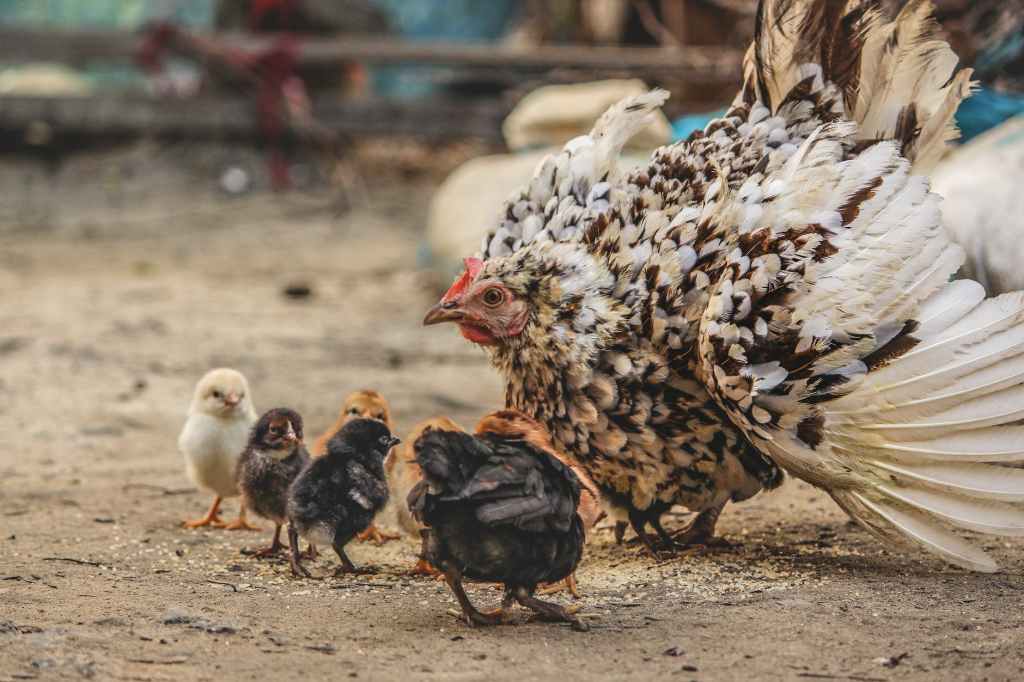
This morning I was chatting with my friend who just got chickens. While I am no expert I have had chickens for about 5 years, so I do have some trial and error knowledge to share.
- Ferment their feed: Chickens need lots of protein. In my experience they need more than the typical chicken feed provides. (To regrow feathers, keep laying eggs in extreme temps, etc…) I feed my chickens fermented goat feed. I have mixed my own feed, I have bought the expensive, organic, non-gmo feed, and I have bought the cheap-o chicken feed. The stuff they honestly eat the best is the goat feed. I take generic goat feed pellets, let it soak in water for 3 days, and the birds LOVE it. I also give them sunflower seeds, fly larvae and oyster shell. Not to mention table and garden scraps as well as raw milk, kefir, yogurt, and sourdough starter.
- Remedy for dirty eggs: If the eggs are messy try putting garlic, cayenne pepper, ACV, cloves, and oregano in their water. This will work as a parasite cleanse and should not only clean up the eggs but boost production.
- Rodents and Vermin: Mice in the coop are inevitable in my opinion. If you live in the country like I do you see mice all the time regardless of the chicken status. Even if I keep the feed in a box with a tight lid I still find mice in the coop. To fight this I have started feeding my chickens in the run, but it doesn’t stop it 100%.
- Feeder vs Non-Feeder: I no longer use a feeder for my flock. When I fed them using a nice big feeder the same ten birds would eat and the others would go hungry. I have over 30 birds. I probably need 3 feeders minimum to let everyone have a chance. What I do these days is walk the chicken run (a fenced off area 40’x40′) and pour the feed all throughout. This way the feed isn’t concentrated in one area and all the birds can eat undisturbed by the other birds.
- Extreme Weather Tricks: I was told by a trusted friend and homestead queen that chickens can survive just about anything as long as they have food, water, and are kept dry. They don’t necessarily need heaters in the winter, though I do think a fan in summer or at least access to lots of cold water and shade is key to keeping the birds alive and well. To get them out of the coop in summer heat (like this last week of Kansas’s 100+ degrees) I keep their water outside the coop. I also give them bowls of water filled with ice and frozen treats such as corn and frozen berries. I also ferment their feed so it gets them to ingest more liquids. In winter chickens will look fatter because they fluff up their feathers and trap heat, similar to wearing a winter coat. Corn takes longer to digest so feeding them cracked corn in the winter is a good way to help maintain higher body temperatures. The friend I trust said that as long as they are kept dry chickens don’t need much special treatment in winter. They also huddle up together on the roosting bars and that seems sufficient.
There are a million more things I could say, but this feels like a good stopping point for today. Chickens are a slight investment, but with the price of GOOD food and quality eggs I’d say it’s worth it. Especially if you can sell some excess to friends. Chickens are fairly low maintenance once you get them housed and they make great pets. (Though I’d research the breeds and temperaments before letting them around kids willy nilly.)
Happy chicken tending!
 Redheaded Jill
Leave a comment